


-

Add: HeBei ShengShi HongBang Cellulose Technology CO.,LTD.
-

Email
13180486930@163.com -

CONTACT US
+86 13180486930
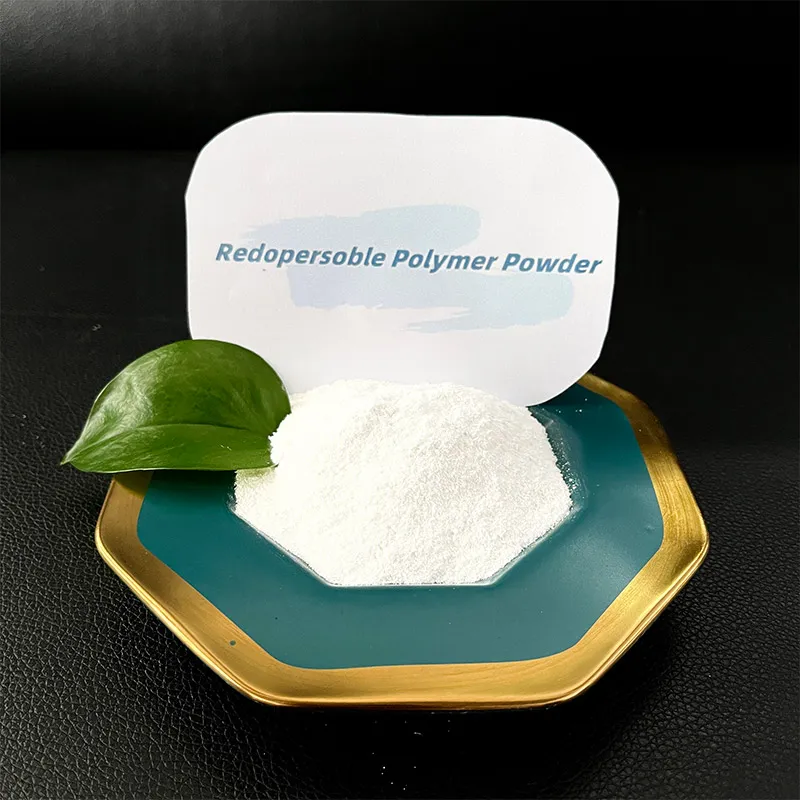

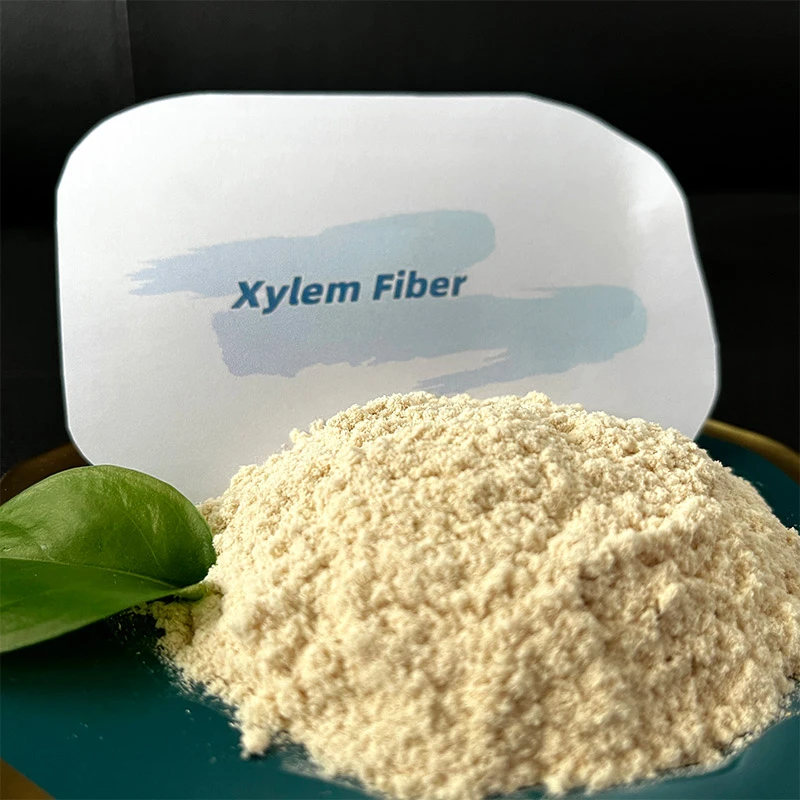

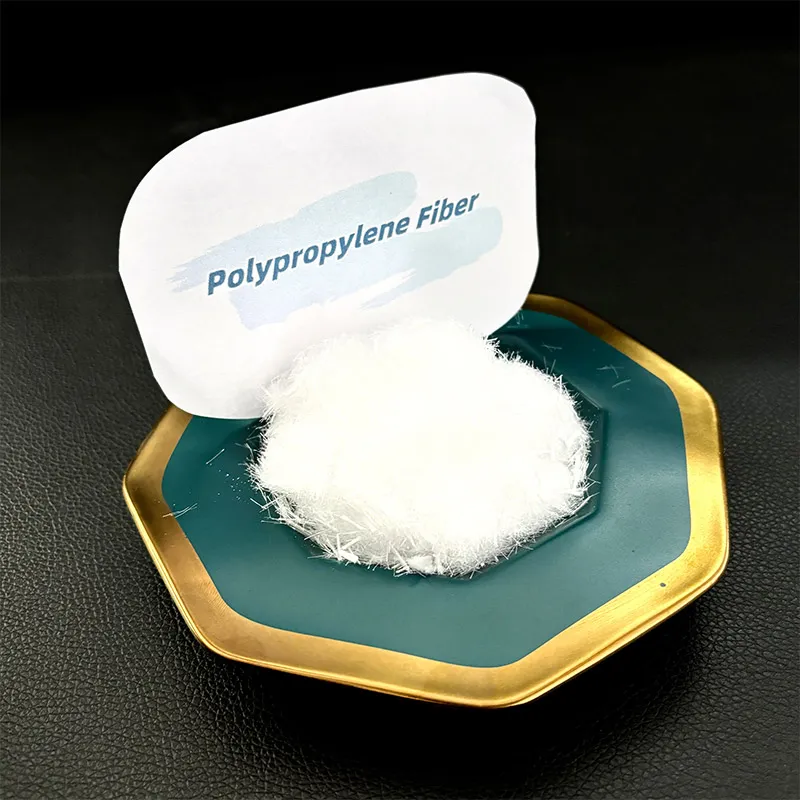



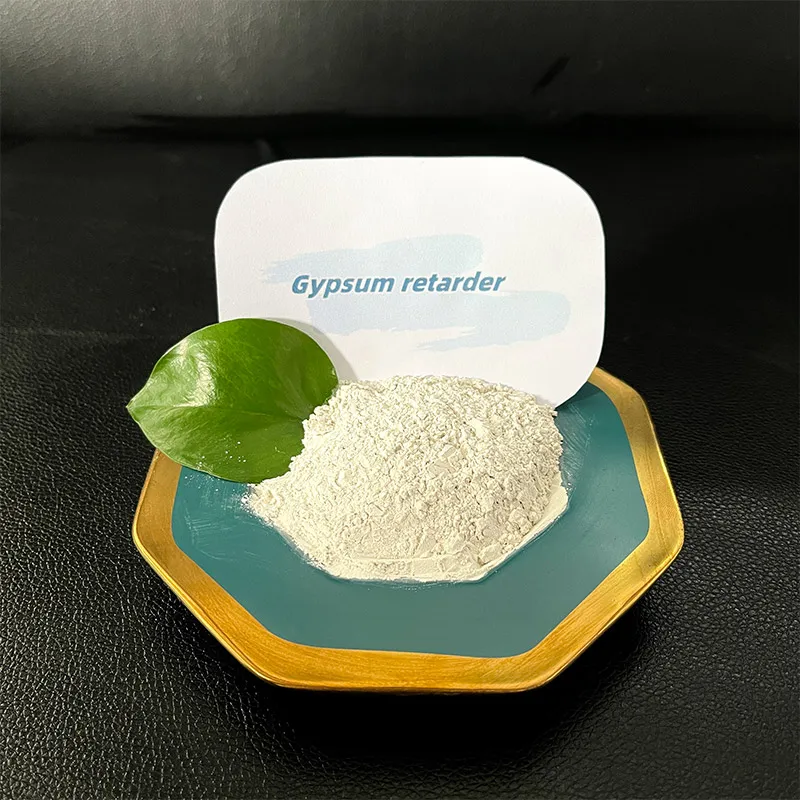
Retarders in gypsum are pivotal components that serve to adjust the setting time of gypsum-based products, providing ample workability and enhanced performance in various applications. Predominantly used in the construction industry, these retarders are instrumental in offering precise control over the hydration process of gypsum, thereby optimizing both the usability and the efficacy of the final product. One of the quintessential experiences when working with gypsum is managing its setting time. This is where retarders become invaluable . Without them, gypsum plaster would set too quickly, which can be problematic during applications requiring a more extended manipulation period. My first-hand experience in utilizing gypsum retarders has shown remarkable improvements in application efficiency, particularly in large-scale projects where precision is paramount. By incorporating retarders, the workability window is expanded, allowing for meticulous application without the stress of accelerated setting. In terms of expertise, understanding the chemical interaction between gypsum and retarders is critical. Retarders function by interfering with the crystallization process of calcium sulfate dihydrate, slowing down the conversion from hemihydrate to dihydrate. This expertise emerges as a critical factor in customizing gypsum products for specific needs. For instance, in decorative plasterwork, a more prolonged setting time is desirable to allow artisans enough time to create intricate designs. Consequently, selecting an appropriate retarder enhances the artisanal quality and reduces waste produced by premature setting. As an authoritative voice in the industry, my journalistic interactions with leading manufacturers and researchers underscore the importance of selecting high-quality retarders. These interviews have revealed that the most effective retarders are those derived from natural sources, such as citric acid or tartaric acid. These compounds not only effectively prolong the setting time but are also environmentally benign, promoting sustainable building practices. Furthermore, research publications consistently support the use of these natural retarders over synthetic alternatives, highlighting their superior performance and lower environmental impact. retarder in gypsum Trustworthiness in product description cannot be overstated, especially for those making decisions in procurement and application. Reliable gypsum retarders are backed by rigorous testing and certifications ensuring their effectiveness and safety. A key trust factor emerges from using products compliant with international standards, such as ISO regulations, which certify the performance consistency and quality assurance of the retarders. Trust is further reinforced by comprehensive usage guidelines provided by manufacturers, outlining the proportion of retarder to be used based on the gypsum's characteristics and environmental conditions, guaranteeing optimal results. A practical product application scenario involves using gypsum-based joint compounds in drywall installation. In my extensive use cases, incorporating retarders has proven to make a significant difference. The retarder ensures that the joint compound remains workable, allowing for a seamless application across extensive surfaces without the concern of irregular curing or cracking. This not only results in a professionally finished surface but also maintains structural integrity and aesthetic appeal over time. Moreover, as emerging technologies continue to integrate with construction methodologies, smart retarders are being developed to adapt to various environmental conditions. These advanced retarders adjust their performance based on temperature and humidity, providing a more predictable setting time regardless of external factors. This technological innovation propels gypsum products into a new era of reliability and functionality. In conclusion, retarders in gypsum products serve as indispensable tools in the modern construction landscape. Their ability to control setting times not only enhances application efficiency but also elevates the quality of the final product. With vast applications ranging from general construction to high-end decorative finishes, leveraging the experience, expertise, authority, and trustworthiness of properly selected retarders can lead to groundbreaking results and sustainable practices. As we embrace advancements within the industry, these additives will undoubtedly continue to play a critical role in shaping the future of construction materials, ensuring both performance excellence and environmental responsibility.
- 40000tons

Production
- 20+years

Experience
- 5000+㎡

Acreage

-
When evaluating dry eye treatment options, patients often consider the benefits and differences between products like Retaine HPMC and MGD. Both serve to relieve dry eye symptoms, but they function distinctly due to their formulation and intended purposes. Understanding these differences not only helps users make an informed decision but also ensures that they choose the product best suited to their specific condition. In terms of composition, Retaine HPMC (Hydroxypropyl Methylcellulose) utilizes a specific polymer to maintain ocular surface lubrication. This makes it particularly effective for individuals who experience occasional dryness, blurred vision, or eye irritation. HPMC acts as an ocular lubricant providing moisture retention and a protective film over the eye’s surface. Its primary function is to supplement the eye's natural tear film, making it a suitable option for those who need mild to moderate hydration support without dealing with excessive oiliness or other complications. On the other hand, Retaine MGD (meibomian gland dysfunction) targets a more complex root cause of dry eye symptoms. Meibomian gland dysfunction is a prevalent contributor to evaporative dry eye, characterized by an inadequate lipid layer in the tear film. Retaine MGD is designed to preserve the eye's natural tear film longer by utilizing electrostatic attraction to bond with mucin and aqueous layers of the eye, hence reducing evaporation and increasing tear stability. Its formula is lipid-enhanced; therefore, it's particularly recommended for individuals suffering from this specific condition where maintaining adequate lipid layers is crucial. From a professional standpoint, choosing between these two products should pivot on diagnosing the underlying cause of the dry eye. Patients with symptoms primarily due to insufficient aqueous production may find Retaine HPMC to be beneficial. Meanwhile, those with meibomian gland dysfunction would potentially experience greater relief from Retaine MGD. It's essential to consult with an eye care specialist to correctly identify the nature of the dry eye problem, ensuring a treatment plan that targets the condition effectively. retaine hpmc vs mgd Moreover, patient experience highlights the importance of personal comfort and reaction to these dry eye treatments. Users of Retaine HPMC often note its smooth application and the immediate relief it provides . However, those who struggle with more severe or persistent symptoms of dryness, particularly related to compromised lipid layers, report significant improvements with Retaine MGD. Both products maintain a high level of trust within the community, backed by their proven effectiveness and quality assurance. Ultimately, the choice between these products should not only rely on the overlaying surface symptoms but also on the precise physiological deficiencies being experienced. A robust understanding of your eye health, supported by professional guidance, ensures an optimal therapeutic outcome. By relying on these insights, patients enhance their decision-making process, choosing not just based on product claims but on detailed insights into how each treatment modifies tear film dynamics. Being well-informed positions individuals to better manage their eye health, reflecting the core of informed, authoritative treatment choices.
-

HPMC eye ointment has emerged as a revolutionary product in the realm of optical care, offering relief and protection for a variety of eye conditions. As an experienced SEO specialist, I am committed to shedding light on the unique aspects of this product that make it indispensable for those seeking ocular comfort and health. HPMC, short for Hydroxypropyl Methylcellulose, is the primary active ingredient in this eye ointment . Its exceptional properties as a viscoelastic polymer make it an ideal candidate for eye care formulations. HPMC excels in moisture retention and provides a protective barrier on the eye's surface, mimicking natural tears. This is crucial for individuals experiencing dry eyes, a condition that often results from prolonged screen time, environmental factors, or age-related changes. Exploring the expertise behind HPMC eye ointment, one discovers its formulation is the result of extensive research in biocompatible materials. The ophthalmic community recognizes HPMC for its non-irritating and non-reactive nature, making it suitable for sensitive eyes. It serves as a soothing layer, easing discomfort and reducing friction against eyelids, especially vital for contact lens wearers or those recovering from ocular procedures. From an authoritativeness perspective, this eye ointment’s efficacy is backed by numerous clinical studies and endorsements from leading eye care professionals. Its utilization in treating conditions such as keratoconjunctivitis sicca—a severe form of dry eyes—is well-documented. These expert endorsements are crucial for establishing the product's credibility and ensuring patients feel secure in their choice of treatment. Consumer trust in HPMC eye ointment is further bolstered by its proven track record. Users report significant improvements in eye hydration levels and comfort, often within a short period of consistent use. The ointment's ability to reduce symptoms such as itching, burning, and the sensation of having a foreign body in the eye underscores its effectiveness. Moreover, its gentle formulation means it is safe for long-term use, addressing the root causes of dryness rather than merely providing temporary relief. hpmc eye ointment The science behind HPMC’s function is both fascinating and rigorous, reflecting a perfect confluence of chemistry and biology. When applied, the ointment forms a lubricating film over the cornea, promoting epithelial healing and offering a defense against environmental irritants and pathogens. This barrier not only moisturizes but also protects, reducing the risk of secondary infections—a common concern for those with compromised tear production. In the competitive market of eye care products, HPMC eye ointment stands out due to its precision-engineered formula tailored to mimic and supplement the eye's natural defense mechanisms. Its role as an adjunct therapy in managing dry eye syndrome represents an evolution in eye care solutions focused on long-term health rather than transient comfort. For prospective users eager to regain ocular health and comfort, selecting an HPMC eye ointment symbolizes choosing innovation grounded in scientific expertise and a legacy of professional endorsements. Transparency in its development and application underscores its trustworthiness, ensuring that users can confidently incorporate it into their daily care regimen. This ointment serves as both a preventive and therapeutic tool in managing ocular surface disorders, embodying the intersection of cutting-edge science with everyday practicality. Through ongoing innovations and research, the formulation continues to evolve, promising even more refined results in the future. In conclusion, HPMC eye ointment exemplifies a paradigm shift in personalized eye care, providing a robust, reliable option for those seeking to soothe and protect their eyes. Its combination of experience-driven expertise, authoritative endorsements, and unwavering trustworthiness positions it as a leading choice in the eye care industry, promising relief and rejuvenation with every application.
advantages
-

200000 Viscosities
Excellent product
We can produce pure products up to 200,000 viscosities
-

40000 tons
High yield
We don’t stop production all year round, and the annual output can reach 40,000 tons
-

24 hours
Quality service
We provide 24-hours online reception service, welcome to consult at any time
———— Inquiry Form
Schedule A services

-
 polypropylene_fiber_applications
Oct . 25, 2025
Hydroxypropyl Methylcellulose (HPMC) is an essential polymer used across various industries due to i -
 hpmc_meaning
Oct . 25, 2025
In the demanding world of construction finishes, controlling time is paramount. A plaster retarder s -
 celulosa_hpmc
Oct . 25, 2025
Methocel F4M, a popular brand of hydroxypropyl methylcellulose (HPMC), stands out as an essential in


